Source Vegan Thymus Vulgaris Extract for Medicine, Food, and Health Care
Find 30 listings for vegan thymus vulgaris extract from Chinese suppliers. Compare specifications including assay methods like HPLC and UV, packaging options, and certifications such as ISO and HACCP to identify suitable manufacturers for your procurement needs; compare the available evidence and request quotations based on your requirements.
Key considerations
Products List






Comprehensive Sourcing Guide
Vegan Thymus Vulgaris Extract Sourcing Guide
Thymus vulgaris extract, derived from common thyme, is a botanical powder ingredient that appears in B2B listings targeting supplement, food, and personal care formulators. Buyers searching for a vegan-compatible grade should focus on extract powders standardized or ratio-concentrated from the herb part, since the listed products in this category are predominantly brown powders offered in drum packaging. Because thyme extracts are used across medicine, health care products, and food applications, procurement teams must first define their intended application form—capsule, tablet, or paste—before comparing listings.
This guide distills the observable attributes of current listings into a practical sourcing framework. The observed catalog shows products originating in China, notably Shaanxi province, with customization available and assay methods such as UV and HPLC referenced. Rather than endorsing any single vendor, the guide helps buyers translate listing claims into verification steps: confirming specification sheets, requesting certificates of analysis, and aligning documentation with regulatory expectations in destination markets. Each following section addresses one decision stage, from technical specification review through long-term supplier management.
Product Scope and Observed Listing Signals
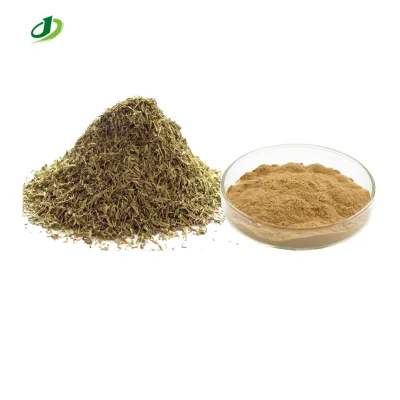
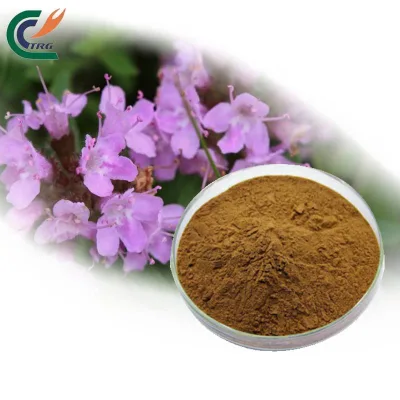
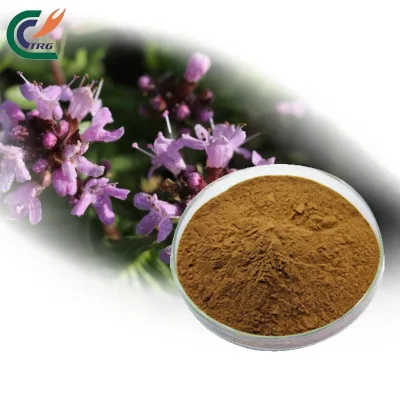
Listings for Thymus vulgaris extract in this category share several consistent signals worth noting. The material is described as brown to fine yellowish-brown powder, extracted from the herb or seed part via solvent extraction, and packed in fiber drums—commonly 25 kg per drum—with vacuum-packed or plastic-bag inner packaging also appearing. Concentration ratios such as 10:1 and 20:1, alongside a broader 4:1 to 20:1 range, indicate that buyers are selecting between standardized extracts and ratio concentrates. Model numbers simply reference the botanical name, so differentiation depends on specification details rather than product codes.
Commercial signals are equally informative. Listed prices span a wide USD 1–100 range with MOQs from 1 to 25 units, suggesting a mix of sample-scale and production-scale offers. Brand identifiers such as Dichuang appear, along with "artificial planting" cultivation methods and "all seasons" availability. Buyers should treat these as observations rather than guarantees: verify that each shortlisted listing actually matches the claimed grade, ratio, and packaging before requesting quotes. Customization is listed as available, which matters for buyers needing private-label or tailored specifications.
Technical Specifications to Verify
The first technical decision is the extract standard itself. Listings reference thymol as a standard in some cases and ellagic acid in others, while others specify only concentration ratios from 4:1 up to 20:1. These are materially different products: a thymol-standardized extract guarantees an active-marker level, whereas a ratio concentrate describes only the raw-material-to-extract ratio. Buyers must obtain the full specification sheet and confirm which standard applies, the assay value, and the analytical method—HPLC or UV are the methods cited in this category—so that incoming quality checks match the supplier's own methodology.
Beyond the active marker, verify the physical and compositional attributes that affect formulation. Confirm appearance (brown fine powder), particle characteristics relevant to capsule or tablet processing, moisture content, and batch-to-batch consistency. Listings cite TLC as a test method for some products and HPLC for others, so agree in writing which identity and quantification methods will govern release. Also confirm the extraction process—chemical solvent extraction is listed—along with residual solvent limits appropriate to food or supplement use, since this directly affects both regulatory acceptance and downstream application suitability.
Compliance and Safety Documentation
Regulatory documentation should be collected before any purchase order. The category shows ISO certification on some listings and HACCP, FDA, and ISO on others, but certification claims must be evidenced with current, scope-relevant certificates rather than listing badges. For European destinations, note the category reference to pyrrolizidine alkaloid compliance with Reg. EU 2020/2040—this is a meaningful differentiator for botanical ingredients, and buyers should request the corresponding test data rather than accepting the claim at face value. Confirm GMO-free status and nanomaterial-free status with documented declarations as well.
Vegan suitability is explicitly claimed in the listings, which is central to this sourcing brief, but it should be verified through the ingredient and processing record: solvent extraction must not involve animal-derived processing aids or encapsulation materials if the extract will be sold into vegan-labeled finished products. Request irradiation confirmation—listings state "no irradiation"—and align it with destination-market labeling rules. Finally, ask for a certificate of analysis per batch covering identity, assay, and safety panels, and retain these documents in a traceable file linked to each lot received.
Cost Drivers and Commercial Terms
Price variation across listings reflects several identifiable drivers. Concentration ratio and standardization level dominate: a 20:1 concentrate or thymol-standardized extract commands a premium over a low-ratio powder. Herb quality, cultivation method (listed as artificial planting), and harvest seasonality—all seasons availability is claimed—affect raw material cost. Packaging choices, from 25 kg fiber drums to vacuum-packed inner bags, add cost at the margins, as does customization, since tailored specifications or private-label packing typically carry minimum volumes and setup considerations that buyers should clarify upfront.
Commercial terms require equal scrutiny. The observed MOQ range of 1 to 25 units suggests sample-friendly listings, but buyers should confirm whether quoted prices hold at production volumes and whether the USD 1–100 listing figures represent per-kilogram prices, samples, or something else entirely. Clarify Incoterms, payment terms, lead times, and shelf-life guarantees—two years is the listed shelf life—in the contract. Agree on retest rights and rejection procedures for out-of-specification batches, and confirm that packaging, gross weight (approximately 1.5 kg per single item is listed), and shipping unit definitions match the buyer's logistics planning before committing to volume orders.
Supplier Qualification and Quality Control
Qualify suppliers through documented evidence, not listing claims alone. Request the business license, relevant certificates (ISO, and where claimed, HACCP and FDA registrations), and a recent third-party audit summary or factory assessment. Because the category lists origins in Shaanxi, China, confirm the actual manufacturing site address and whether the supplier manufactures or trades, since this affects traceability and corrective-action speed. Ask how the solvent extraction process is controlled and what in-process checks exist for residual solvents, pesticide residues, and heavy metals at the incoming raw herb stage.
Establish a defined incoming quality control protocol once a supplier is shortlisted. This should include identity testing (TLC or HPLC against a reference standard), assay confirmation using the agreed method, and verification of the claimed attributes: brown fine powder appearance, GMO-free and nanomaterial-free status, and packaging integrity. Start with a pre-shipment sample and an initial production lot tested by an independent laboratory, comparing results against the supplier's CoA. Document acceptable tolerance ranges for assay and moisture in the quality agreement, and set clear expectations for deviation reporting, batch retention, and access to retained samples for the full two-year shelf life.
Long-Term Procurement Checks
Sustained supply quality depends on periodic requalification rather than one-time approval. Schedule annual or biennial reviews of certificates to confirm they remain current and scope-appropriate, and re-audit the supplier after any change in manufacturing site, extraction process, or raw material source. Track batch-level CoA trends over time—drifting assay values, rising moisture, or inconsistent appearance often signal upstream raw material variability before a formal failure occurs. Maintain a documented scorecard covering on-time delivery, documentation completeness, and deviation frequency to support objective renewal decisions.
Plan for continuity and market changes. Monitor evolving regulatory requirements in destination markets, including pyrrolizidine alkaloid limits under Reg. EU 2020/2040 and any updates to irradiation or GMO labeling rules, and require the supplier to notify you of specification or process changes in advance. Keep a qualified second source for the same thymus vulgaris specification, verified against identical test methods, to reduce single-supplier risk. Finally, review pricing periodically against the identified cost drivers—ratio, standardization, and packaging—and renegotiate at volume milestones, ensuring the specification agreed at onboarding remains the contractual baseline for all future orders.
FAQs
How is vegan thymus vulgaris extract produced and confirmed suitable for vegans?
Yes, thymus vulgaris extract can be suitable for vegan use when it is produced by solvent extraction from the herb part of Thymus vulgaris L. with no animal-derived processing aids. Buyers should confirm vegan suitability in writing, review the extraction process and packaging details such as drum or vacuum packing, and request documentation covering GMO-free status and compliance with applicable EU regulations.
What specifications are commonly available for thymus vulgaris extract powder?
Common listed specifications include concentrated extract ratios of 10:1 and 20:1, with some offerings spanning 4:1 to 20:1, supplied as brown or fine yellowish brown powder. The standard may be expressed as thymol content for some products. Buyers should match the ratio or marker compound to their intended application in capsules, tablets, pastes, food, or health care products before ordering.
Which packaging formats are used for bulk thymus vulgaris extract shipments?
Bulk thymus vulgaris extract is typically packed in 25kg fiber drums, with inner protection from plastic bags or vacuum packing to protect the powder during transit. Some listings describe single-item selling units with a package size around 30X20X20 cm and a gross weight of about 1.500 kg for samples. Confirm drum material, inner liner, and sealing method with the supplier before shipment.
Can suppliers provide test documentation for thymus vulgaris extract quality?
Most suppliers can provide assay documentation using methods such as HPLC, UV, or TLC depending on the product. Listed certifications include ISO, and some offerings also reference HACCP and FDA registration. Request a certificate of analysis for each batch, confirm which assay method applies to your specification, and verify pyrrolizidine alkaloid compliance with Reg. EU 2020/2040 where required for your market.
How should thymus vulgaris extract powder be stored to maintain shelf life?
Store the powder in a cool place away from sunlight, keeping containers tightly sealed to limit moisture exposure. Listed shelf life is two years under proper storage conditions. Because the product is a hygroscopic brown powder, avoid repeated opening of drums, use desiccants where appropriate, and inspect vacuum-packed or plastic-bag inner packaging for damage before acceptance at your warehouse.
What applications and dosage forms does thymus vulgaris extract support?
Listed applications include medicine, health care products, and food, with application forms covering capsules, tablets, and pastes. The herb part or seed is used depending on the product, and extraction is by solvent extraction. Choose a specification such as 10:1 or 20:1 and the appropriate assay standard, then confirm with the supplier that the grade and customization options match your formulation needs.